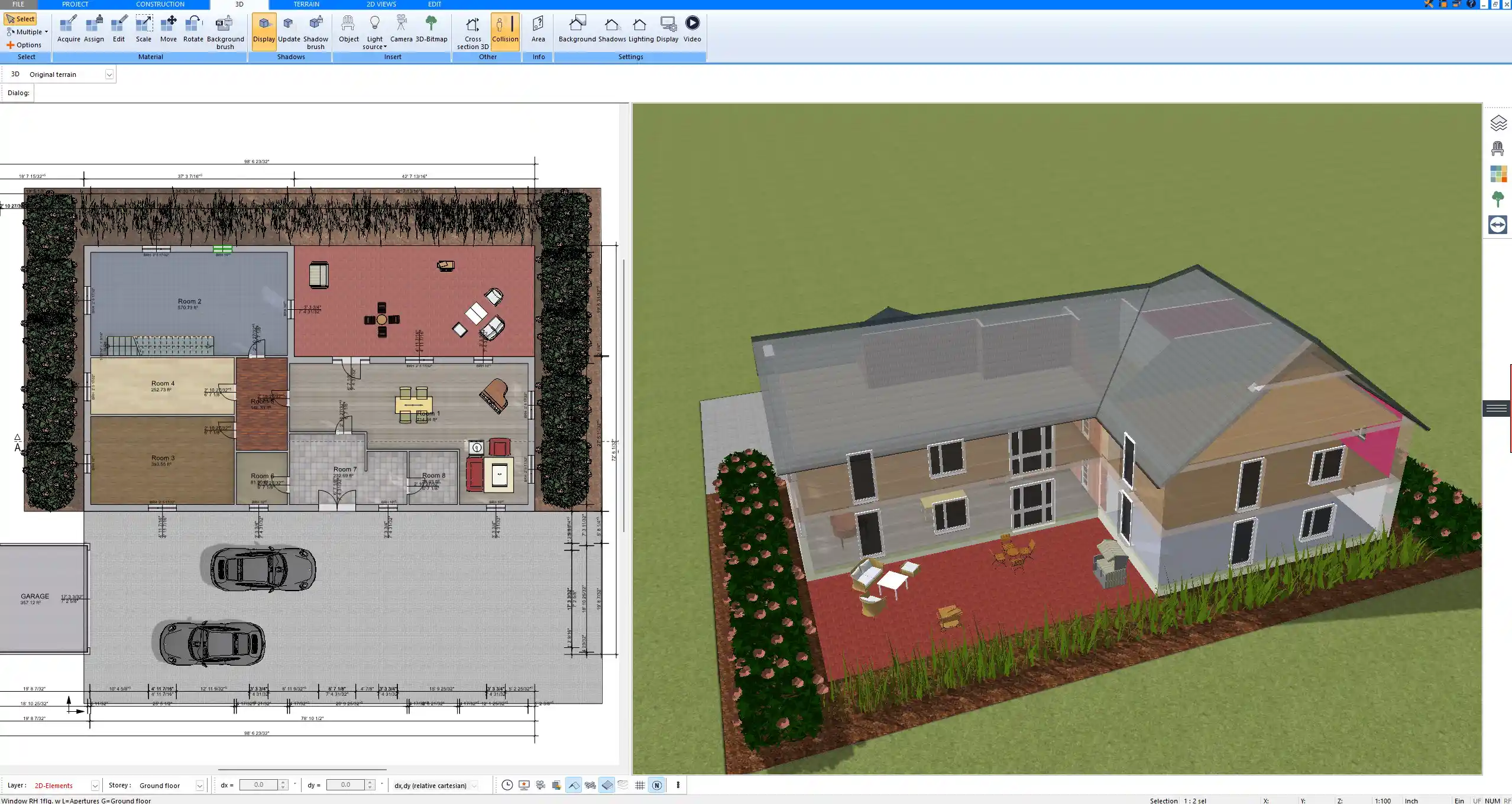
A floor plan is important because it provides a clear visualization of how spaces are organized before construction or remodeling begins. It shows room sizes, dimensions, wall placement, and circulation paths, helping you understand how the home will function in daily life. With a floor plan, you can avoid costly mistakes, ensure rooms are positioned logically, and communicate effectively with builders and contractors. Without one, you risk miscommunication, wasted budget, and layouts that do not meet your needs.
Benefits of Having a Floor Plan
Better Space Utilization
A well-prepared floor plan helps you make the most of the available space. You can plan where furniture should go, make sure rooms have the right proportions, and guarantee smooth movement between areas.
-
Kitchen close to dining area
-
Bathroom near bedrooms
-
Enough storage integrated into the design
Improved Communication
A floor plan acts as a shared reference point. Homeowners, architects, and contractors can all look at the same drawing and understand exactly what is planned. This reduces errors and saves time on site.
Cost and Time Efficiency
Identifying potential issues on paper or on screen is far less expensive than making changes during construction. With a proper plan, you can:
-
Detect impractical layouts early
-
Adjust room sizes without breaking walls
-
Avoid costly rework later
Future Flexibility
A good floor plan is not only useful during the initial build but also later in the home’s life. It makes remodeling, extending, or even rearranging furniture easier because you already know the structure and flow. For resale purposes, potential buyers also appreciate having a detailed floor plan, as it allows them to immediately understand how the property is laid out.
Key Elements Shown in a Floor Plan
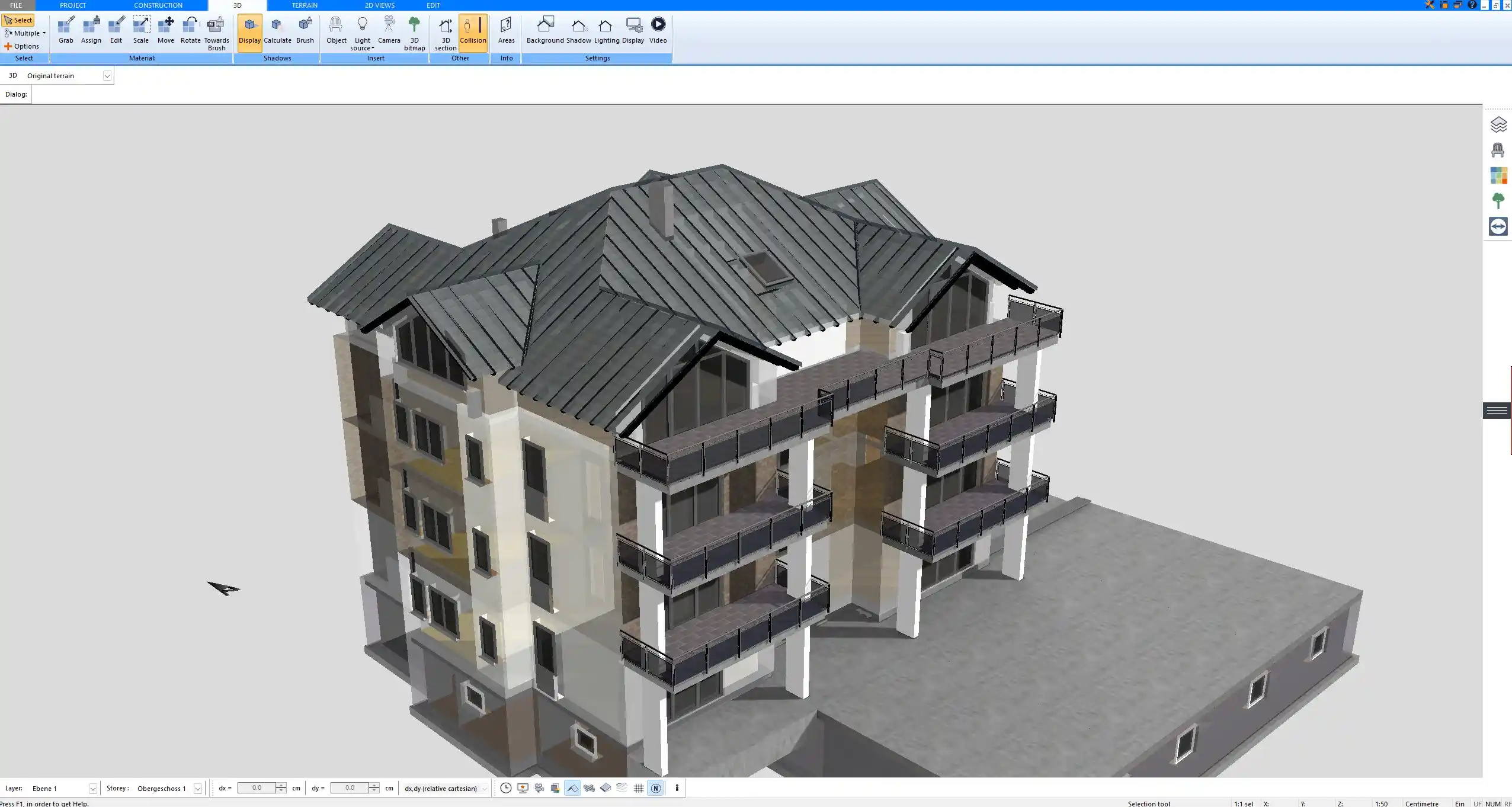
A floor plan typically includes the following elements:
| Element | Why It Matters |
|---|---|
| Room dimensions | Helps you understand proportions and design each space correctly |
| Wall placement and thickness | Defines structure, privacy, and acoustics |
| Doors and windows | Determines light, ventilation, and flow |
| Stairways and circulation paths | Ensures accessibility and safe movement |
| Plumbing and electrical points | Critical for functionality and installation |
Floor Plans for Different Needs
Private Homeowners
For private homeowners, a floor plan ensures that living areas are practical and aligned with lifestyle. Whether you want an open kitchen, a spacious living room, or a compact office, a clear plan prevents disappointment.
Real Estate and Property Sales
Real estate agents use floor plans to showcase properties more effectively. A plan helps potential buyers visualize how they would live in the space and often makes listings more attractive.
Builders and Contractors
Builders rely on accurate floor plans to execute projects correctly. Without precise drawings, construction becomes uncertain, delays occur, and errors can multiply.
2D vs. 3D Floor Plans
Both 2D and 3D floor plans have their advantages.
-
2D plans are technical, clear, and focused on dimensions and structure. They are essential for professionals who need accuracy.
-
3D plans provide a lifelike visualization of the same design. You can see furniture placement, lighting, and how spaces feel in reality.
Modern tools such as Plan7Architect allow you to create both 2D and 3D versions, making the process accessible for both private users and professionals.
Digital Tools for Floor Planning
Software solutions make the planning process much easier. Instead of redrawing layouts by hand, you can quickly create, adjust, and test different options on screen. In Plan7Architect, you can switch between European measurements (meters) and American measurements (feet and inches) depending on your preference or local standards. This makes it flexible for international users and ensures accuracy no matter where you are.
Practical Tips When Creating a Floor Plan
When creating your own floor plan, keep the following in mind:
-
Start with accurate property measurements
-
Define your priorities clearly: number of rooms, open versus closed spaces, required functions
-
Place windows strategically for natural light and cross ventilation
-
Think long term: consider how spaces could adapt to future needs
Tip: Always keep circulation paths in mind. It is easy to create a visually nice plan, but if the hallway cuts awkwardly through the living room or the kitchen is far away from the dining area, you will notice the inconvenience in daily life.
Create Professional Floor Plans with Plan7Architect
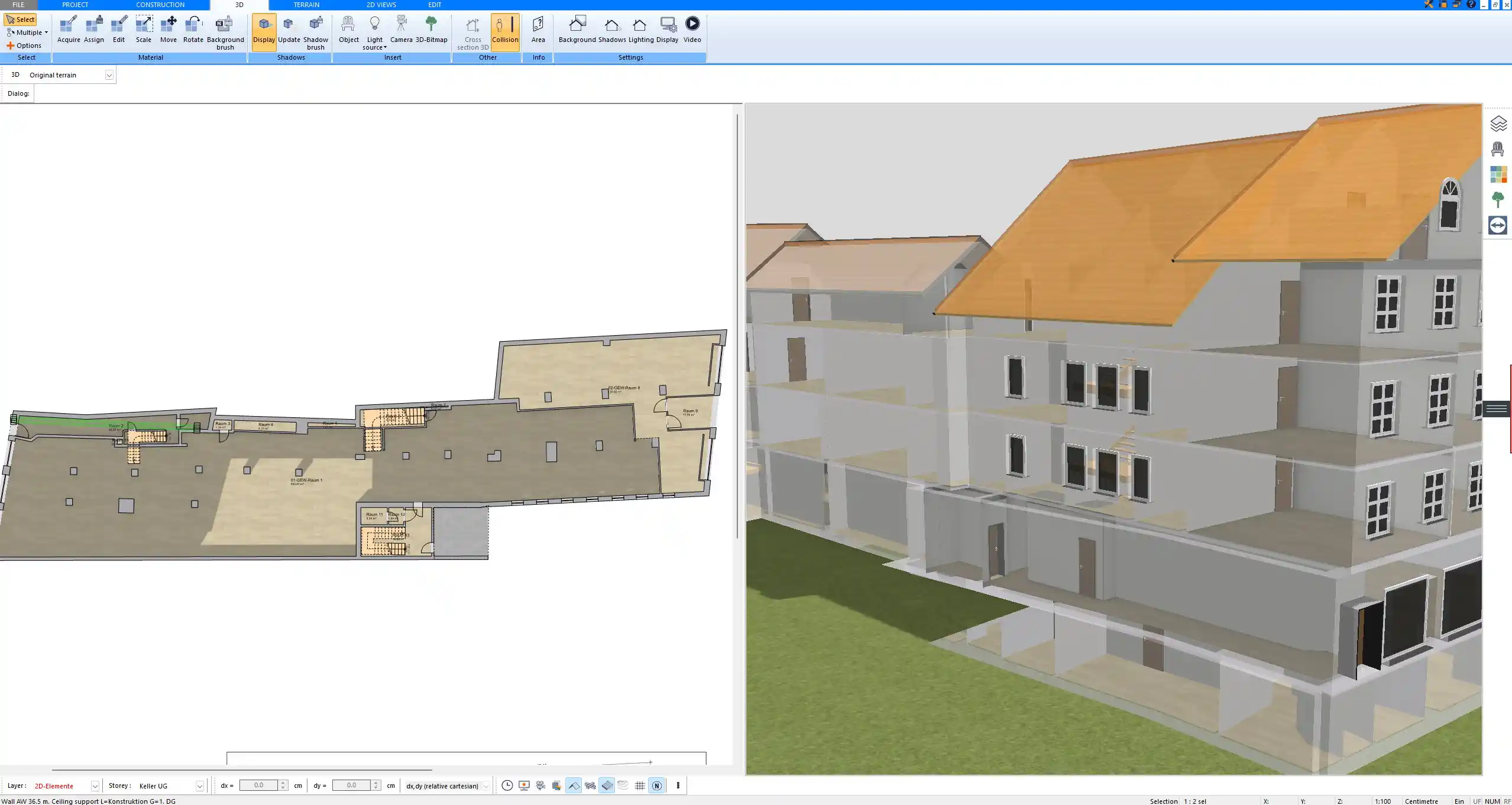
With Plan7Architect, you can create professional floor plans quickly and easily, whether for building, remodeling, or real estate presentations. The software allows you to design in both 2D and 3D, adjust layouts with precision, and switch between European and American measurement systems. Everything described in this article, from room layout to furniture placement and lighting visualization, can be planned in detail with the software. Customers benefit from a 14-day right of withdrawal, which replaces a trial version. This means you can order without risk and cancel your purchase easily by email if needed. If you want to plan your project with professional results, Plan7Architect is the right choice.
Plan your project with Plan7Architect

Plan7Architect Pro 5 for $109.99
You don’t need any prior experience because the software has been specifically designed for beginners. The planning process is carried out in 5 simple steps:
1. Draw Walls

2. Windows & Doors

3. Floors & Roof

4. Textures & 3D Objects

5. Plan for the Building Permit

6. Export the Floor Plan as a 3D Model for Twinmotion

- – Compliant with international construction standards
- – Usable on 3 PCs simultaneously
- – Option for consultation with an architect
- – Comprehensive user manual
- – Regular updates
- – Video tutorials
- – Millions of 3D objects available
Why Thousands of Builders Prefer Plan7Architect
Why choose Plan7Architect over other home design tools?