A good ADU layout usually looks obvious when it is finished. Getting there is not obvious at all. The challenge with how to plan an adu layout is that every square foot has to do real work. You are fitting sleeping, cooking, bathing, storage, privacy, and circulation into a small footprint, and weak decisions show up fast.
That is why layout matters more than finishes in an ADU. Nice materials can make a small space look polished, but they cannot fix a bathroom door that swings into the wrong path, a kitchen with no landing space, or a bed area that feels trapped. If the plan is right, even a modest ADU can feel generous.
![How to Plan an ADU Layout That Works]()
 How to plan an ADU layout from the inside out
Most people start with the outside shape. That makes sense, especially if you already know your setback limits or are converting a garage. But the stronger approach is to start with daily use. Think about the person living there and what they need to do without friction from morning to night.
A studio ADU for one tenant needs a different layout than a one-bedroom unit for a couple, an aging parent, or a short-term rental. In a studio, openness is often worth more than strict separation. In a one-bedroom ADU, privacy and sound separation usually matter more. Neither is automatically better. It depends on who will use it and how long they will stay.
Begin with the non-negotiables. You need a bathroom that works comfortably, a kitchen with practical counter space, room for a bed or sleeping zone, and enough storage that the unit does not feel temporary. After that, focus on the movement between those spaces. Good circulation is not extra space. It is space that prevents the whole unit from feeling cramped.
Set priorities before you draw walls
The biggest planning mistake is trying to fit every nice-to-have feature into a small footprint. ADUs reward clear priorities. If your top goal is long-term comfort, give more space to storage, a real dining or work surface, and a bathroom with easier access. If your goal is maximizing rental flexibility, a one-bedroom layout may appeal to more tenants than a studio, even if the bedroom is compact.
This is where trade-offs become real. A larger bathroom may improve comfort, but it can force the kitchen into a single-wall setup with less usable workspace. A separate bedroom adds privacy, but the living area may lose daylight or wall length for furniture. A laundry closet is valuable, but not if it blocks better kitchen storage. Good planning is usually subtraction, not accumulation.
A simple way to stay disciplined is to rank what matters most in this order: legal compliance, basic function, comfort, and then extras. If a feature hurts the first three, it is probably not worth keeping.
Start with the bathroom and kitchen core
In most ADUs, the bathroom and kitchen drive the plan. They need plumbing, venting, fixtures, and code-conscious clearances. Once those are in the right place, the rest of the layout becomes easier.
Try to keep wet areas grouped when possible. A bathroom near the kitchen often simplifies plumbing runs and can reduce construction complexity. That does not mean you should force them together at the expense of livability, but in small detached units and conversions, compact utility planning often pays off.
Bathroom design is where small dimensions can create big frustration. You want clear entry, comfortable fixture spacing, and a door that does not interrupt the main path through the unit. Pocket doors can help, but only if the wall conditions allow them and the hardware is reliable. A standard swing door may be better in some cases, especially when maintenance and cost matter.
For the kitchen, think beyond appliance fit. You need prep space, landing space near the sink and cooktop, and enough clearance so the unit still feels easy to move through. In a small ADU, an L-shaped or compact galley kitchen often works better than trying to mimic a full-size suburban kitchen. The goal is function, not imitation.
Make the main room do more than one job
The main living area in an ADU usually has to cover several roles. It may be the living room, dining area, work zone, and part of the sleeping area if the unit is a studio. That means proportions matter more than raw square footage.
A room with one long uninterrupted wall is often easier to furnish than a chopped-up room with many door openings. Too many doors in the main space can make furniture placement awkward and reduce flexibility. Window placement matters too. Natural light makes a small unit feel larger, but windows should still leave enough usable wall area for storage, seating, and bed placement.
If you are choosing between a slightly larger bathroom and a better-shaped living area, the living area often delivers more daily value. People spend more waking hours there, and poor proportions are harder to fix later.
For studio layouts, use zoning rather than hard separation when possible. A bed niche, partial divider, wardrobe wall, or furniture-based separation can preserve openness while still creating privacy. Full walls can make a small studio feel smaller unless the footprint is large enough to support them.
How to plan an ADU layout for storage and furniture
Storage is not a bonus in an ADU. It is part of the layout. Without it, the unit gets cluttered quickly, and clutter makes small spaces feel badly designed even when the plan itself is decent.
Look for storage opportunities in dead zones and transitions. A shallow closet near the entry, cabinets above laundry, built-ins around a bed niche, and tall kitchen storage can make a major difference. It is usually better to design storage into the plan early than to hope furniture will solve it later.
Furniture size should influence room dimensions from the start. A bedroom is not functional just because a bed technically fits. You need space to get in and out comfortably, open a closet if there is one, and maintain a reasonable path to the door. The same goes for living spaces. If a sofa blocks circulation or the dining surface has no real chair clearance, the layout is not working yet.
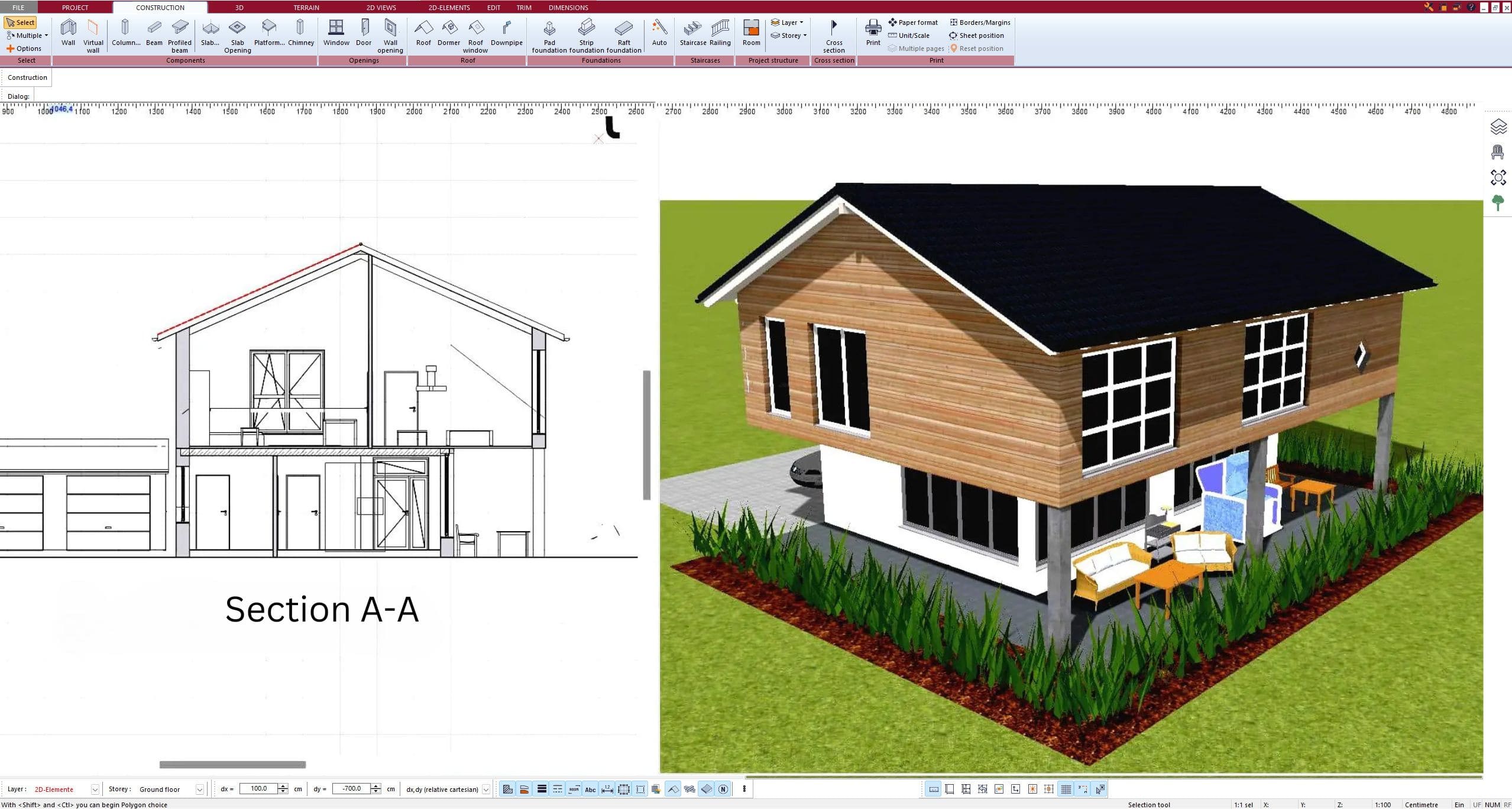
This is one reason 2D planning alone can be misleading. Seeing furniture, walk paths, windows, and room volumes in 3D makes proportion problems easier to catch before construction. For homeowners and contractors working through multiple ADU concepts, software such as Plan7Architect can speed that process because you can test room sizes, wall shifts, and furnishing options without redrawing everything from scratch.
Respect circulation, light, and privacy
Small units suffer when circulation is treated as leftover space. You do not need long hallways, but you do need clean movement between entry, bathroom, kitchen, and sleeping areas. If someone has to cut through the kitchen work zone to reach the bathroom, or if the bed is directly exposed to the front door, the plan will feel less comfortable than the square footage suggests.
Privacy matters differently depending on the ADU type. For a backyard rental, privacy from the main house and yard can matter as much as privacy inside the unit. Think about where windows face, how the entry is approached, and whether outdoor sitting space feels exposed. For family use, internal convenience may matter more than visual separation.
Light is another place where compromises show up. A one-bedroom layout with a windowless interior living room may technically work, but it may not feel appealing. Sometimes a larger studio with better daylight is the smarter plan than a tightly carved one-bedroom. It depends on your market, your site, and who will live there.
Fit the layout to the building type
A detached ADU gives you more freedom with openings, orientation, and room arrangement. A garage conversion usually gives you constraints first and choices second. Existing structure, slab conditions, roof form, and window possibilities all influence what is practical.
That is why copying a layout from another property often fails. A plan that works beautifully in a detached backyard cottage may perform poorly inside a narrow conversion shell. Start with your actual dimensions, structural limits, and likely code requirements, then shape the best version of the space you have.
This also applies to accessibility and aging-in-place concerns. If the ADU will be used by an older family member, wider clearances, easier bathroom access, and fewer tight turns may matter more than squeezing in one more cabinet run. Good planning is always tied to real use, not just visual appeal.
Test the plan before you commit
Before you approve any ADU layout, walk through it mentally in detail. Imagine carrying groceries in. Imagine opening the bathroom door. Imagine sitting at the table, making the bed, or passing another person in the kitchen. Problems usually appear during these everyday moments.
Then test the layout with furniture, door swings, and real dimensions. If possible, compare two or three versions instead of trying to perfect the first one. Often the best plan is only a few inches or one wall shift away from the version that almost works.
A successful ADU does not feel like a smaller house. It feels like a space that was planned honestly for the way people live. If you keep function ahead of wish lists, the right layout becomes much easier to recognize.
Plan your project with Plan7Architect
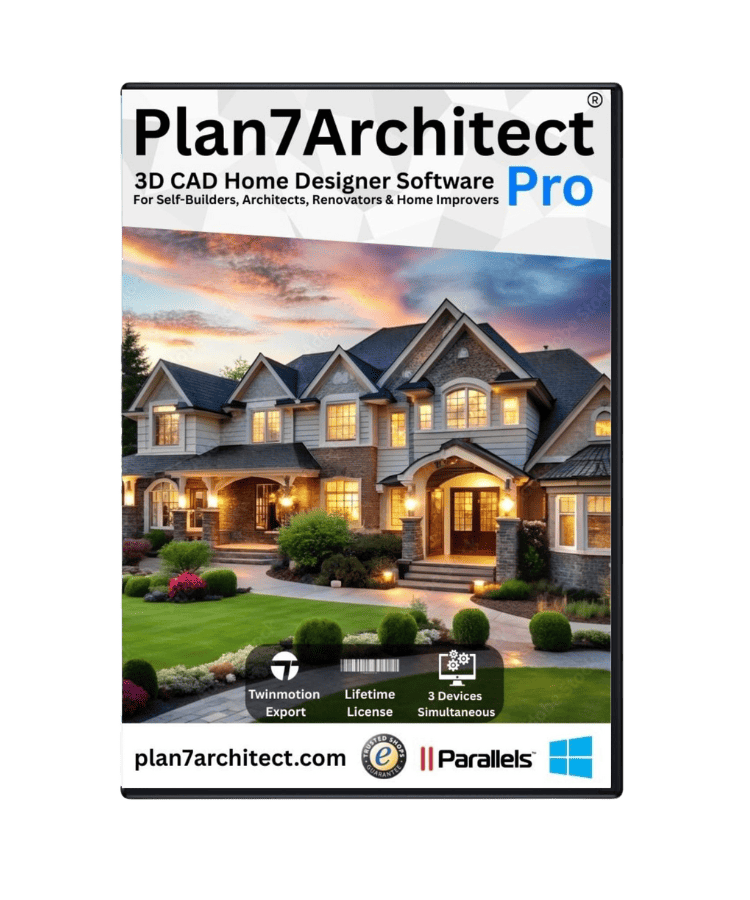
Plan7Architect Pro 5 for $169.99
You don’t need any prior experience because the software has been specifically designed for beginners. The planning process is carried out in 5 simple steps:
1. Draw Walls
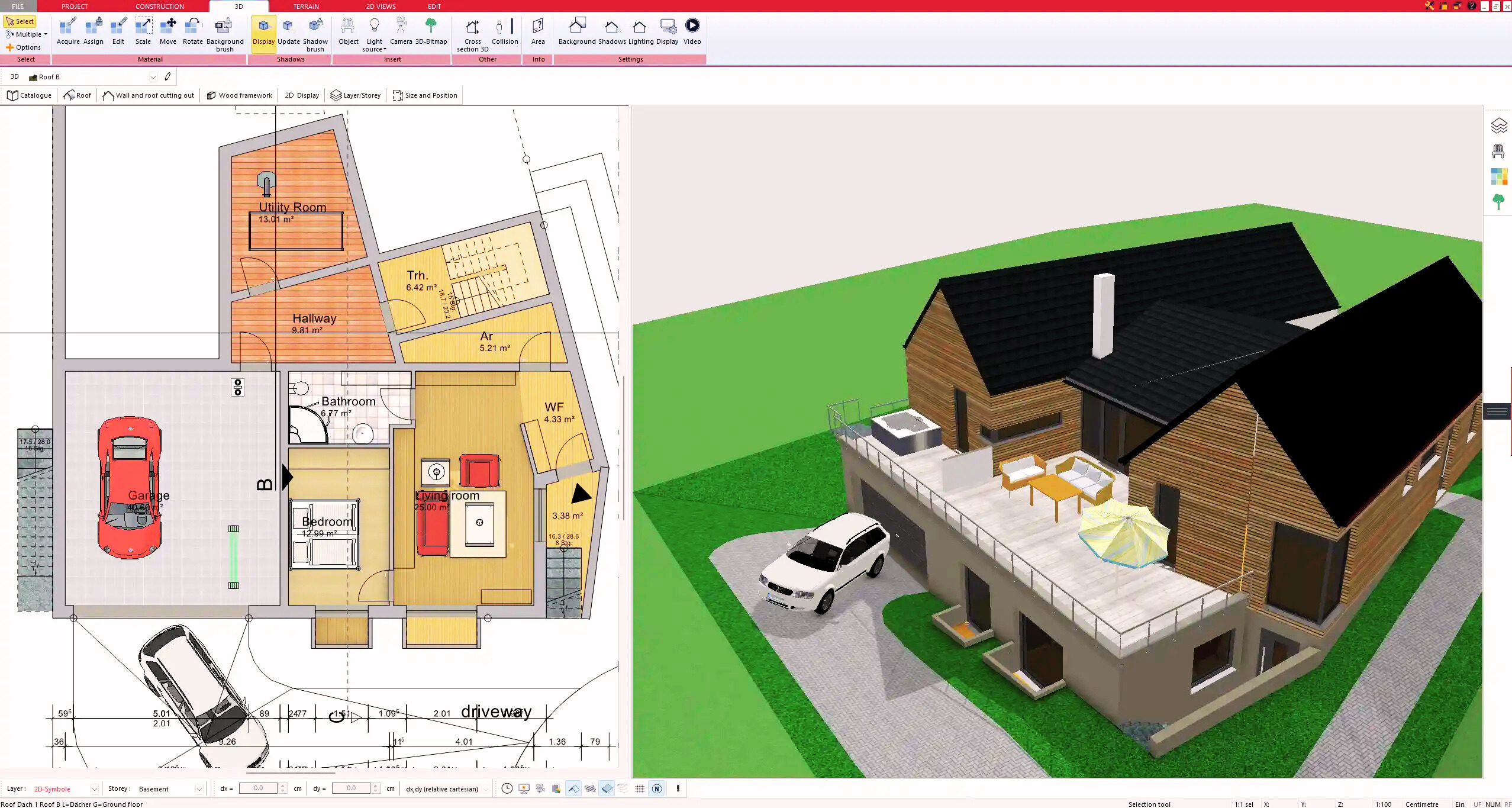
2. Windows & Doors
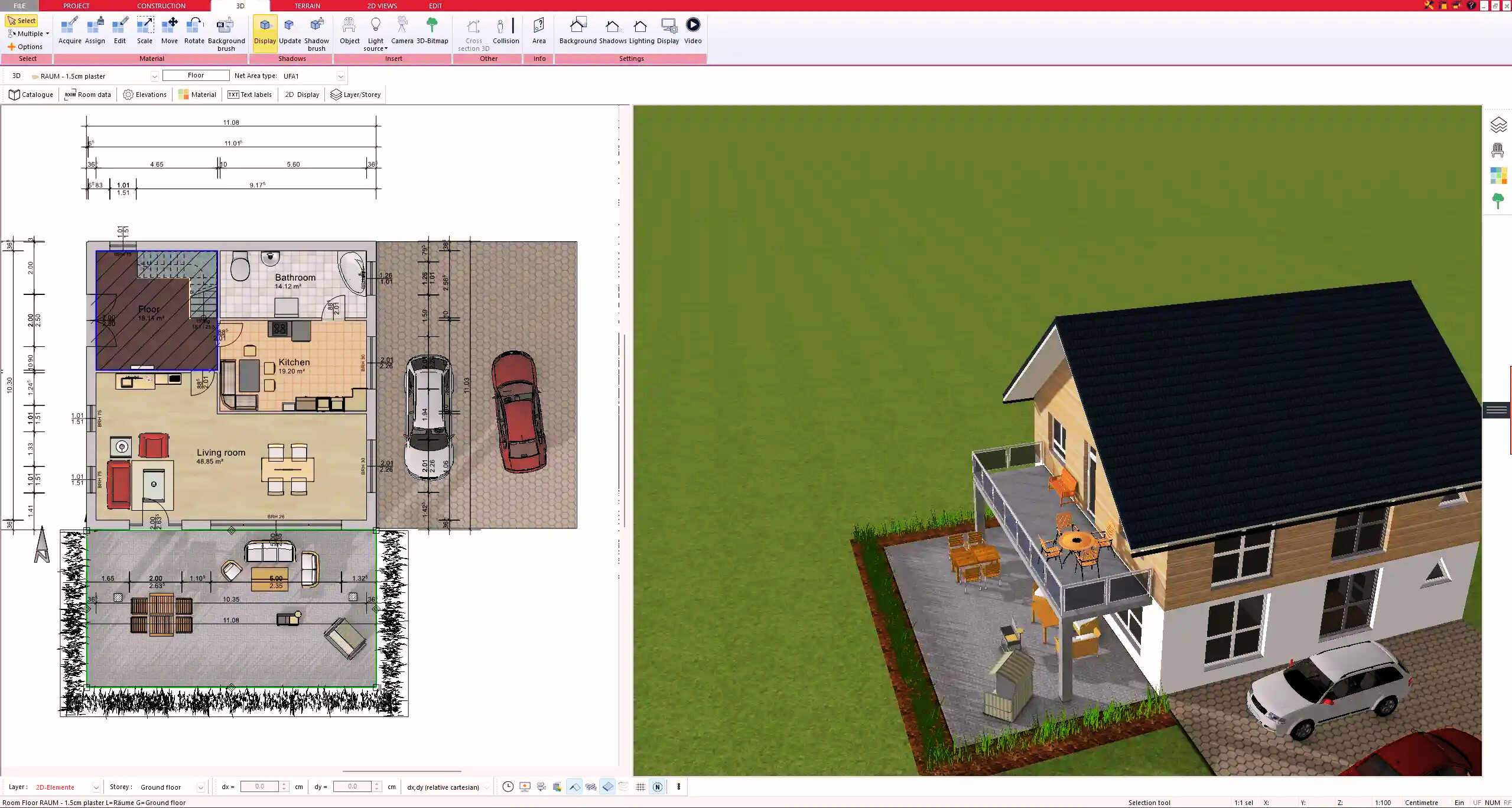
3. Floors & Roof
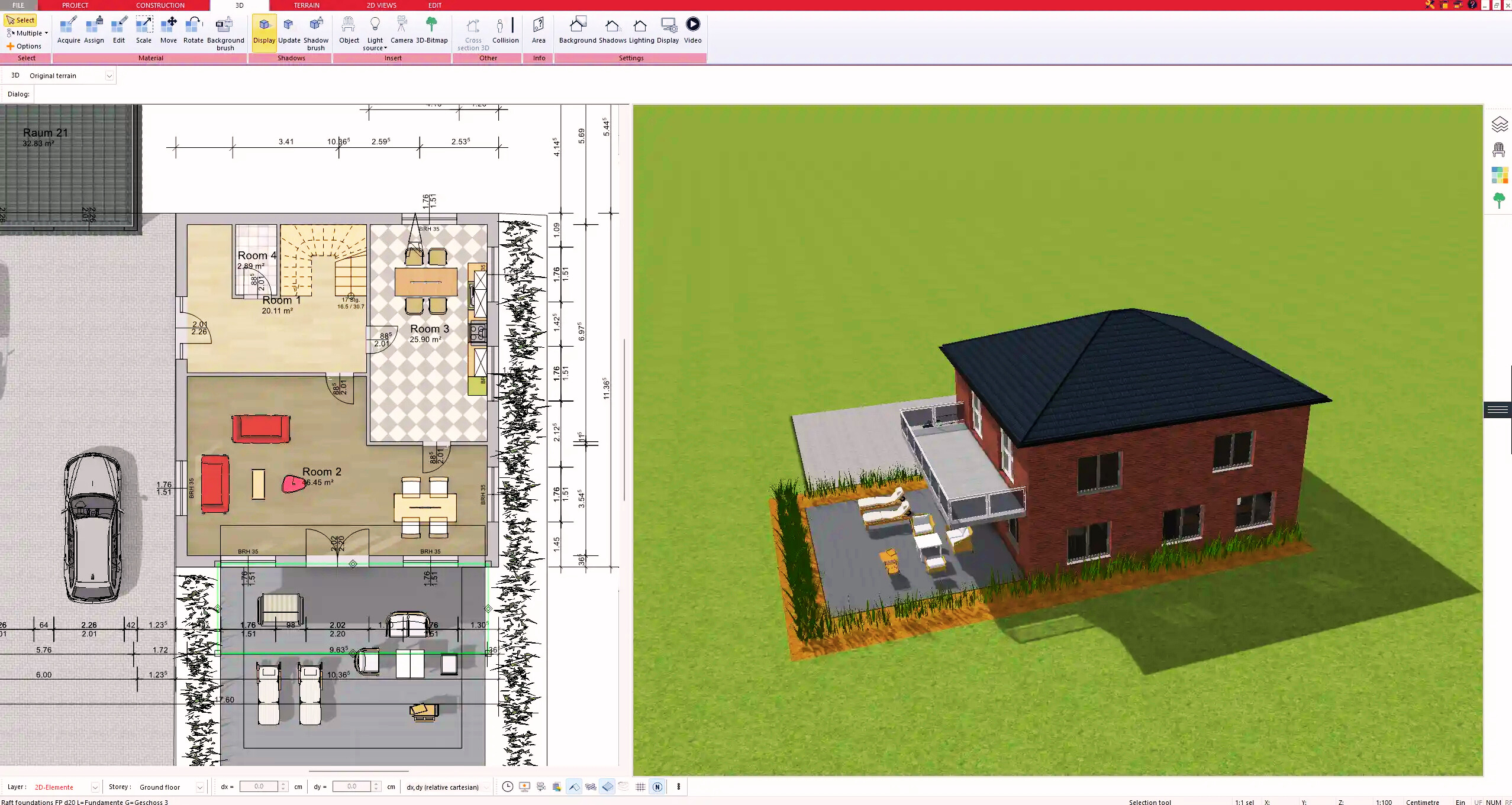
4. Textures & 3D Objects
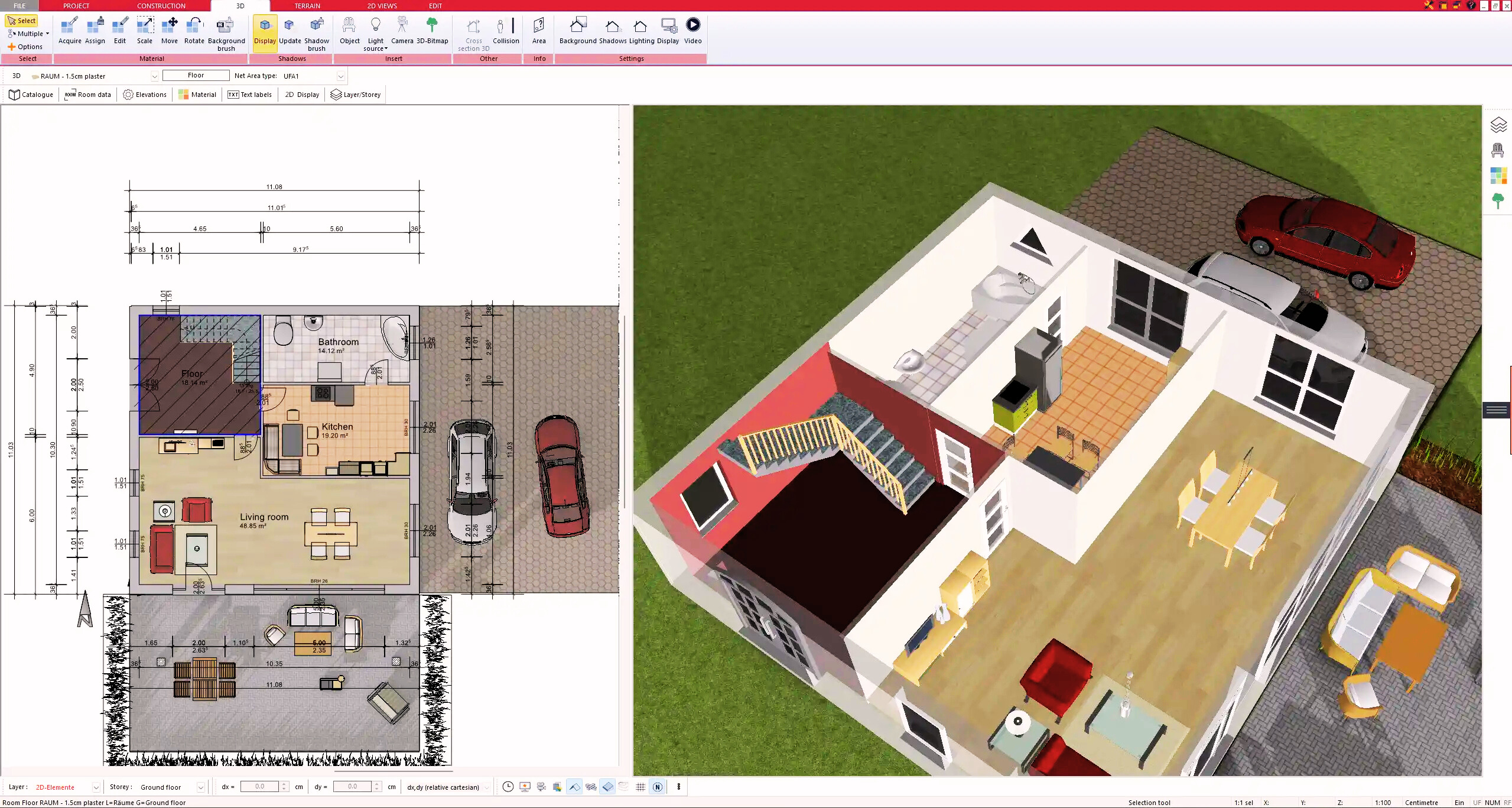
5. Plan for the Building Permit
6. Export the Floor Plan as a 3D Model for Twinmotion
- – Compliant with international construction standards
- – Usable on 3 PCs simultaneously
- – Option for consultation with an architect
- – Comprehensive user manual
- – Regular updates
- – Video tutorials
- – Millions of 3D objects available
Why Thousands of Builders Prefer Plan7Architect
Why choose Plan7Architect over other home design tools?