

A home addition can solve a real problem – a cramped kitchen, one bathroom too few, no guest room, no office, no breathing room. But the wrong addition creates a new set of problems: awkward circulation, dark interiors, wasted square footage, and a price tag that feels much bigger than the value gained. If you want to know how to design a home addition well, the goal is not just to add space. It is to make the new space feel like it always belonged there.
That starts before you sketch a single wall. The best additions are shaped by function, site limits, structure, and budget at the same time. If one of those gets ignored early, the design usually becomes more expensive and less effective later.
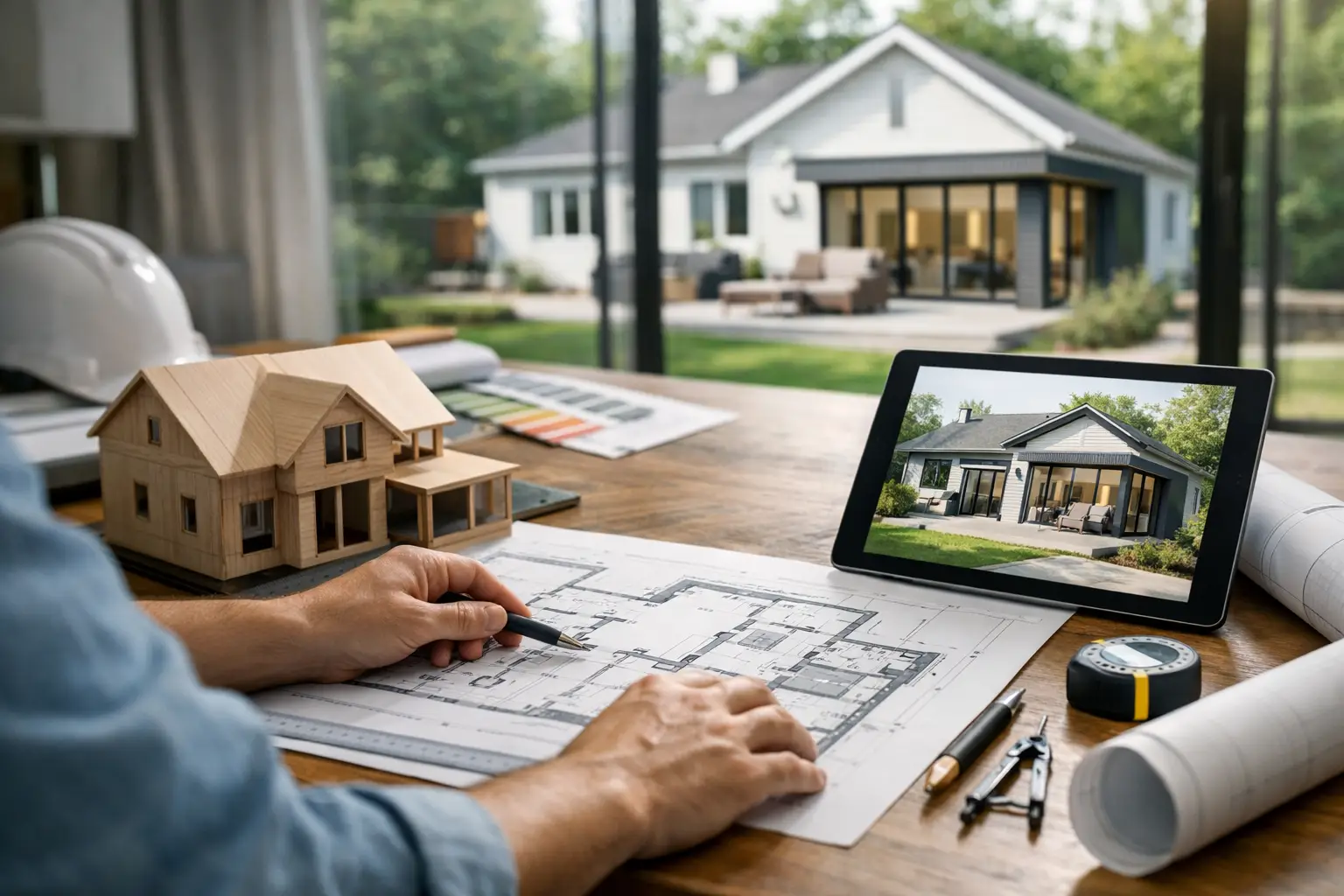 How to design a home addition from the inside out
Most people begin with the exterior shape or the idea of adding a certain number of square feet. That is understandable, but it is usually backward. Start with how the new space needs to work day to day.
If you are adding a family room, ask what actually happens there. Do you need room for a sectional, clear sightlines to the yard, storage for toys, or distance from bedrooms because of noise? If it is a primary suite addition, think beyond the bedroom. You may also need closet depth, bathroom privacy, furniture clearance, and a route that does not disrupt the rest of the house.
This is where rough planning in 2D and 3D makes a big difference. A layout that looks fine on paper can feel tight once furniture, windows, doors, and ceiling slopes are placed realistically. Homeowners often underestimate circulation space, especially where old and new areas connect.
A good test is simple: can you explain exactly how the room will be used at 7 a.m. and at 7 p.m.? If the answer is vague, the design probably needs more work.
Match the addition to the house you already have
The new space should improve the whole house, not just attach to it. That means studying the existing floor plan before deciding where the addition belongs.
Look closely at the traffic pattern. If everyone has to walk through the dining room to reach the new bedroom, that is a design issue. If the addition blocks the best natural light in the kitchen, that is another. The connection point matters as much as the added room itself.
There are usually several ways to add the same function. A rear addition may preserve the front appearance of the house, but it can take away valuable yard space. A side addition can work well on a wider lot, but setbacks may limit it. A second-story addition keeps outdoor space intact, but structural upgrades often push costs up.
This is where trade-offs become real. The cheapest footprint is not always the cheapest project. A small second floor over an older home may require enough framing and foundation work that a larger ground-floor addition becomes the better value.
Think hard about rooflines and ceiling heights
Nothing makes an addition feel tacked on faster than mismatched proportions. Ceiling height, floor height, and roof shape all need attention early.
If the existing house has 8-foot ceilings and the addition jumps awkwardly to 10 feet without a reason, the transition can feel off. The same goes for floor levels. A step up or down may be unavoidable in some remodels, but it should be intentional, not accidental.
Outside, rooflines should relate to the original home even if they do not copy it exactly. A clean, simple tie-in usually looks better than a complicated roof assembled to force extra square footage.
Budget should shape design decisions from day one
A common mistake is designing the ideal addition first and pricing it later. That often leads to painful cuts after time has already been spent refining a plan.
A better approach is to define a realistic budget range early and design within it. Include not just framing and finishes, but also demolition, foundation work, roofing, HVAC changes, electrical, plumbing, insulation, windows, permits, and contingency. Site conditions matter too. Sloped lots, poor soil, older utilities, and hard-to-access backyards can all increase cost.
The shape of the addition affects cost more than many people expect. Simple rectangles are generally more efficient than bump-outs with multiple corners. Stacking plumbing near existing wet areas can save money. Keeping structural changes to existing load-bearing walls under control can also help.
None of this means you should design only for the cheapest outcome. It means every added complexity should earn its place.
How to design a home addition that feels natural
The most successful additions do not announce themselves room by room. They feel coherent. To get there, pay attention to scale, alignment, and light.
Windows should be placed for both exterior balance and interior function. Door openings should line up with natural movement. If the addition creates a long, dim hallway or a dead corner in the original house, the plan probably needs adjustment.
Materials matter too, but layout matters more. People often focus on matching siding or brick, and that does matter from the street. Still, even a perfectly matched exterior will not save an addition that interrupts daily living.
Inside, think about sightlines. Can you see into the new space naturally from the main living area? Does it borrow light from adjacent rooms or block it? Does it improve privacy where needed while keeping the house connected? Good additions solve multiple issues at once.
Use visualization before construction documents
This is the stage where design software earns its keep. Before you commit to final drawings, it helps to test room size, furniture placement, roof form, and exterior appearance in 3D. That can prevent expensive revisions later.
For homeowners and small contractors, software like Plan7Architect can make this process much more manageable. You can build the existing house, add the proposed extension, check dimensions, generate views, and refine the layout before moving into permit-level planning. That is especially useful when you want control over the concept without wrestling with overly complex enterprise CAD tools.
Do not ignore structure, utilities, and permits
An addition is not just a space-planning problem. It is also a construction problem.
Foundation type, load paths, roof framing, and existing wall conditions all affect what is possible. So do mechanical systems. If your HVAC is already undersized, adding 400 square feet may mean more than just extending ductwork. Plumbing runs can influence bathroom and laundry placement. Electrical service may need upgrades.
Permits and code requirements should also be part of the design conversation early, not after the layout is finished. Setbacks, lot coverage limits, height restrictions, energy code, egress, and structural requirements vary by location. If you design first and check later, you can lose time and money revising something that was never buildable.
This is one reason accurate drawings matter. Even if a homeowner starts the concept themselves, the design should be developed with permit and construction reality in mind.
Common home addition mistakes to avoid
One of the biggest mistakes is adding space without improving function. A larger kitchen that still has poor work zones is not really a better kitchen. A new bedroom with no closet or awkward access is not finished planning.
Another mistake is underestimating how much the existing house will be affected. Additions often require changes to nearby rooms, windows, exterior walls, or circulation paths. Treating the project as a bolt-on box usually creates weak results.
It is also easy to oversize the addition. More square footage sounds better until it stretches the budget, dominates the yard, or makes the house feel unbalanced. The right addition is sized to the property, the home, and the way you actually live.
Finally, do not confuse attractive renderings with resolved design. A plan should work dimensionally, structurally, and practically – not just look good from one angle.
A smarter way to start your design
If you are serious about building, begin by measuring the existing house accurately. Then define the problem the addition needs to solve in plain language. Not “add 500 square feet,” but “create a quiet office, a full bath, and better backyard access without shrinking the kitchen.” That kind of brief leads to better decisions.
From there, test two or three layout options instead of falling in love with the first idea. Compare them for circulation, cost, site impact, roof complexity, and how naturally they connect to the original home. The best scheme is often not the one with the most space, but the one with the fewest compromises.
A well-designed addition does more than give you extra room. It makes the house easier to use, easier to understand, and more valuable in the ways that matter every day. If you approach it with clear priorities, realistic constraints, and the right planning tools, you give yourself a much better chance of building something that still feels right years from now.

Plan your project with Plan7Architect

Plan7Architect Pro 5 for $169.99
You don’t need any prior experience because the software has been specifically designed for beginners. The planning process is carried out in 5 simple steps:
1. Draw Walls

2. Windows & Doors

3. Floors & Roof

4. Textures & 3D Objects

5. Plan for the Building Permit

6. Export the Floor Plan as a 3D Model for Twinmotion

- – Compliant with international construction standards
- – Usable on 3 PCs simultaneously
- – Option for consultation with an architect
- – Comprehensive user manual
- – Regular updates
- – Video tutorials
- – Millions of 3D objects available
Why Thousands of Builders Prefer Plan7Architect
Why choose Plan7Architect over other home design tools?


